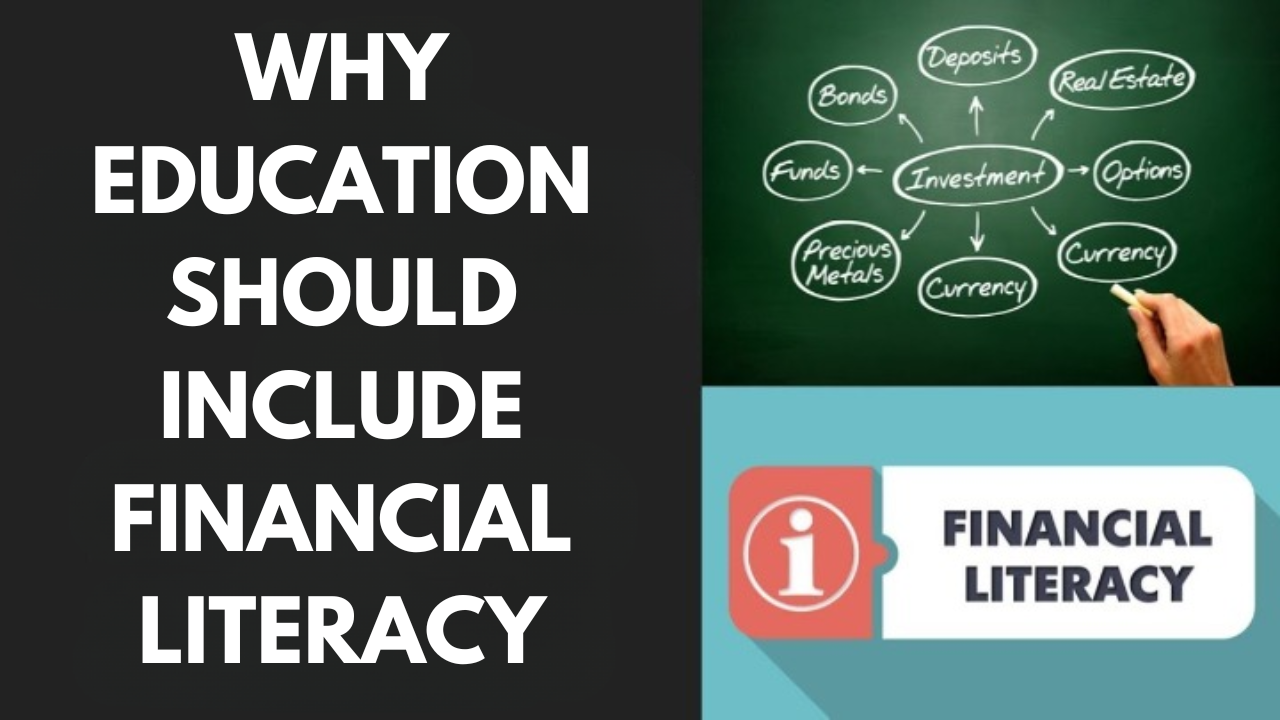
Imagine you have a money bank where you save all your coins. You might have put in a lot of coins, but do you know how much money you have? Do you know how to use that money wisely? This is where financial literacy comes in. Financial literacy means understanding how money works and how to manage it. It’s like learning a new skill, just like riding a bike or playing a game. Let’s explore why it’s so important for schools to teach kids about money.
Understanding Money:
First of all, it’s important to understand what money is and how it works. Money is what we use to buy things we need and want. But money doesn’t just appear out of nowhere; you have to earn it. Knowing the value of money helps you make smart choices about how to use it. For example, if you get pocket money or a gift of cash, you might want to buy a toy. But if you understand money, you might decide to save some for later or spend it on something you need.
Making Smart Choices:
When you understand money, you can make better choices. Let’s say you want a new video game, but it costs a lot. If you know how to budget, you can plan how to save up for it. You might decide to save a little bit each week from your allowance. This way, you learn to be patient and manage your money wisely. Learning to make smart choices with money can help you avoid wasting it on things you don’t need.
Saving for the Future:
Saving money is like planting a tree. At first, it’s just a small seed, but with time and care, it grows into a big, strong tree. When you save money, you’re preparing for the future. You might save for something special, like a big trip or a new gadget. Or you might save for emergencies, like if your bike breaks and you need to fix it. Learning to save teaches you to be prepared and think ahead.
Understanding Credit and Debt:
Credit and debt are important concepts that everyone should understand. Credit is when you borrow money that you promise to pay back later. Debt is the amount of money you owe. For example, if you borrow money from a friend to buy something, you have to pay them back. If you don’t pay it back, you can get into trouble. Knowing how credit and debt work can help you avoid borrowing too much and getting into financial trouble.
Managing Expenses:
Expenses are the things you spend money on, like food, clothes, or games. It’s important to keep track of your expenses so you don’t run out of money. If you know how much you have and how much you’re spending, you can make sure you don’t overspend. This way, you can avoid the stress of not having enough money for the things you need.
Investing:
Investing is when you use your money to make more money. It’s like planting seeds that grow into more trees. For example, you might invest in a small business or buy shares in a company. Learning about investing can help you understand how to grow your money over time. It’s important to know that investing comes with risks, but it can also bring rewards if done wisely.
Avoiding Scams:
Unfortunately, some people try to trick others out of their money. These are called scams. Learning about financial literacy can help you spot scams and avoid them. For example, if someone offers you something that sounds too good to be true, it probably is. Knowing how to protect your money is an important part of being financially literate.
Building Good Habits:
Good financial habits are like good hygiene habits. Just like brushing your teeth every day keeps your mouth healthy, managing your money wisely keeps your finances healthy. This includes things like saving regularly, budgeting, and avoiding unnecessary debt. Building good financial habits from a young age can help you become a responsible and successful adult.
Conclusion:
Financial literacy is an essential skill that everyone should learn. It helps you understand money, make smart choices, save for the future, manage expenses, and avoid financial trouble. By including financial literacy in education, schools can prepare students to handle money wisely and build a secure future. Just like learning to read and write, learning about money is a vital part of growing up and becoming a responsible adult. So, let’s start teaching kids about money today, so they can have a brighter and more secure tomorrow.